Understanding Email Metrics and Analyzing Campaign Performance
In the ever-evolving landscape of digital marketing, email remains a cornerstone of effective customer communication and engagement. However, the true power of email marketing lies not just in sending messages, but in understanding how these messages perform and impact your business goals. This comprehensive guide delves into the world of email metrics and campaign performance analysis, providing you with the knowledge and tools to elevate your email marketing strategy.
Introduction to Email Marketing Metrics
The Importance of Tracking Email Performance
Let’s face it, keeping tabs on how your emails are doing is super important these days. It’s like having a superpower that lets you make smart choices and totally rock your email campaigns. By looking at the numbers, you can figure out what’s working and what’s not, and then make your emails even more awesome. By diligently monitoring these crucial indicators, marketing professionals can:
- Develop a nuanced understanding of subscriber behavior, preferences, and engagement patterns, enabling the creation of more targeted and personalized content
- Pinpoint specific areas within email campaigns that require refinement or optimization, leading to continuous improvement in overall performance
- Quantify the return on investment (ROI) for email marketing initiatives, providing concrete evidence to justify marketing expenditures and secure future budgets
- Leverage data-driven insights to inform strategic decision-making, allowing for the optimization of future campaigns based on historical performance and emerging trends
- Adapt email strategies in real-time, responding to shifts in subscriber engagement and market dynamics to maintain campaign effectiveness
Overview of Key Metrics
Before diving into the specifics, it’s crucial to understand the broad categories of email metrics:
- Engagement Metrics: Measure how recipients interact with your emails
- Deliverability Metrics: Indicate how successfully your emails reach inboxes
- Subscriber Metrics: Track the growth and health of your email list
- Revenue Metrics: Quantify the financial impact of your email campaigns
Key Email Performance Metrics
Engagement Metrics
Engagement metrics provide insight into how recipients interact with your emails, helping you gauge the effectiveness of your content and design.
Open Rate
The open rate represents the percentage of recipients who open your email. While it’s a fundamental metric, recent privacy changes (like Apple’s Mail Privacy Protection) have made it less reliable. Still, it can provide valuable trend data when viewed over time.
To improve open rates:
- Craft compelling subject lines
- Optimize send times based on your audience’s behavior
- Segment your list to ensure relevance
Click-Through Rate (CTR)
CTR measures the percentage of recipients who clicked on one or more links in your email. It’s a crucial indicator of how engaging and relevant your content is to your audience.
To boost CTR:
- Use clear and compelling calls-to-action (CTAs)
- Ensure your content provides value to the reader
- Implement a responsive design for seamless mobile viewing
Conversion Rate
The conversion rate tracks the percentage of recipients who completed a desired action after clicking through from your email. This could be making a purchase, signing up for a webinar, or downloading a resource.
To increase conversion rates:
- Align email content with landing page messaging
- Personalize offers based on subscriber data
- Use urgency and scarcity tactics ethically
Deliverability Metrics
Deliverability metrics help you understand how successfully your emails are reaching your subscribers’ inboxes.
Bounce Rate
The bounce rate indicates the percentage of your emails that couldn’t be delivered. There are two types of bounces:
- Soft bounces: Temporary delivery failures (e.g., full inbox)
- Hard bounces: Permanent delivery failures (e.g., invalid email address)
To reduce bounce rates:
- Regularly clean your email list
- Implement double opt-in for new subscribers
- Monitor and improve your sender reputation
Deliverability Rate
The deliverability rate measures the percentage of emails that successfully reach recipients’ inboxes (as opposed to spam folders). While closely related to bounce rate, it also accounts for emails filtered as spam.
To improve deliverability:
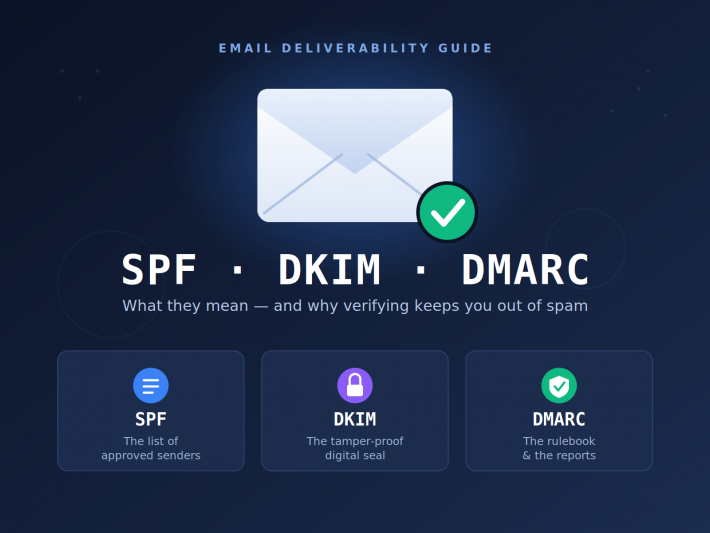
- Use authentication protocols like SPF, DKIM, and DMARC
- Maintain a consistent sending schedule
- Engage in good list hygiene practices
Subscriber Metrics
Subscriber metrics help you understand the health and growth of your email list.
List Growth Rate
This metric measures how quickly your email list is growing. It takes into account new subscribers, unsubscribes, and email address churn.
To improve list growth rate:
- Implement lead magnets and opt-in incentives
- Use social media to promote email sign-ups
- Optimize your website for email capture
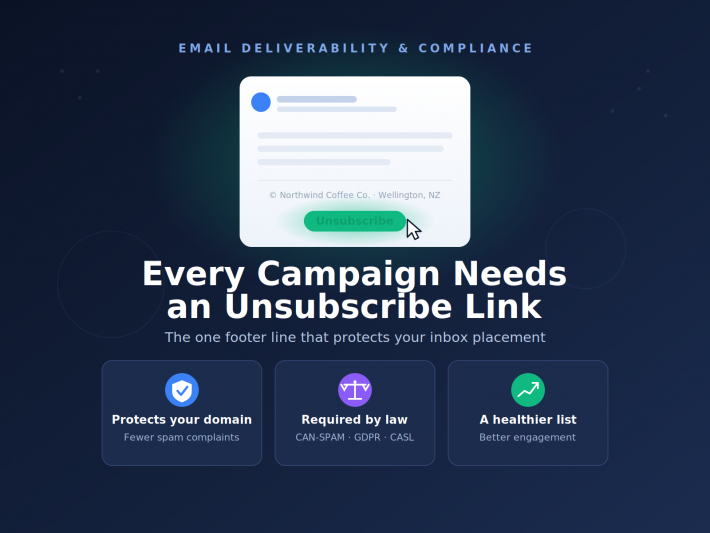
Unsubscribe Rate
The unsubscribe rate shows the percentage of recipients who opt out of your email communications. While some level of unsubscribes is normal, a high rate could indicate issues with content relevance or email frequency.
To reduce unsubscribe rates:
- Segment your list for more targeted content
- Provide value in every email
- Allow subscribers to manage preferences (e.g., email frequency)
Advanced Email Analytics
Revenue Metrics
Revenue metrics help quantify the financial impact of your email marketing efforts.
Revenue per Email
This metric calculates the average revenue generated by each email sent. It’s particularly useful for e-commerce businesses and those with clear conversion goals.
Customer Lifetime Value (CLV)
CLV estimates the total revenue a business can expect from a single customer account throughout their relationship. Email marketing can significantly influence CLV by fostering long-term engagement and repeat purchases.
ROI (Return on Investment)
ROI measures the profitability of your email marketing efforts by comparing the revenue generated to the costs incurred.
To improve revenue metrics:
- Implement post-purchase email sequences
- Use predictive analytics for personalized product recommendations
- Create targeted campaigns for high-value customers
Engagement Analysis
Email Client Usage
Analyzing the distribution of email clients among your subscribers provides valuable insights for optimizing email design and ensuring cross-platform compatibility. This knowledge allows you to tailor your email templates to accommodate the most popular email clients used by your audience, enhancing the overall user experience.
By understanding the technical limitations and rendering quirks of different email clients, you can create emails that look great and function properly across a wide range of platforms, ultimately improving engagement rates and campaign effectiveness.
Mobile vs. Desktop Opens: Understanding User Preferences
Mobile devices now dominate email consumption. Tracking mobile vs. desktop opens is crucial for email marketing. This data shows how subscribers use different devices to read emails. It helps marketers optimize email design and content for all devices. By doing this, they can create better experiences for both mobile and desktop users. This leads to higher engagement and more effective campaigns.
Time-Based Analytics
Analyzing when your subscribers are most likely to engage with your emails is a crucial aspect of optimizing your email marketing strategy. By examining metrics such as open rates and click-through rates at different times of day and days of the week, you can identify patterns in subscriber behavior.
This valuable insight allows you to strategically time your email sends to coincide with periods of peak engagement, potentially leading to higher open rates, increased click-throughs, and ultimately, improved overall campaign performance. Additionally, this data can inform decisions about segmenting your audience based on time zone or activity patterns, further enhancing the effectiveness of your email marketing efforts.
Subscriber Behavior Tracking
Heat Map Analysis
Heat maps visually represent where subscribers click within your emails, providing insights into content placement and design effectiveness.
Segmentation Analysis
Through in-depth analysis of how various subscriber segments interact with your emails, you can gain valuable insights into their preferences and behaviors. This comprehensive understanding allows you to fine-tune your targeting strategies, creating more personalized and relevant content for each segment.
By leveraging these insights, you can develop highly tailored email campaigns that resonate with specific audience groups, ultimately leading to improved engagement rates, higher conversion rates, and a more effective overall email marketing strategy.
4. Optimizing Email Campaigns
A/B Testing Strategies
A/B testing involves sending two variants of an email to a small subset of your subscribers to determine which performs better. Elements to test include:
- Subject lines
- Email content and layout
- CTAs
- Send times
Email Automation Performance
Automated email sequences, such as welcome series or abandoned cart reminders, should be regularly analyzed and optimized based on performance data.
Benchmarking Against Industry Standards
Comparing your metrics against industry benchmarks can provide context for your performance and highlight areas for improvement.
5. Conclusion
Importance of Continuous Analysis and Improvement
Email marketing is not a “set it and forget it” strategy. Continuous analysis and optimization are key to maintaining and improving performance over time. By regularly reviewing your metrics, testing new approaches, and staying attuned to your subscribers’ preferences, you can ensure your email marketing strategy remains effective and continues to drive results for your business.
Future Trends in Email Analytics
As we look to the future, several trends are likely to shape the landscape of email analytics:
- Increased use of AI and machine learning for predictive analytics
- Greater emphasis on privacy-first measurement techniques
- Integration of cross-channel data for a more holistic view of customer engagement
- Advanced personalization capabilities driven by real-time data analysis
By staying informed about these trends and continuously refining your approach to email metrics and campaign analysis, you can ensure that your email marketing strategy remains at the cutting edge, driving engagement, conversions, and business growth in an increasingly competitive digital landscape.
Remember, the key to success in email marketing lies not just in collecting data, but in deriving actionable insights from that data and using those insights to inform your strategy. With a robust understanding of email metrics and a commitment to data-driven optimization, you can unlock the full potential of your email marketing efforts and achieve lasting success in your digital marketing endeavors.